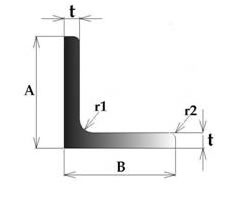
• When it comes to construction and fabrication, few materials are as underrated yet essential as angle bars (also known as angle iron). Whether you’re putting up a commercial building, reinforcing a frame, or crafting a DIY shelving unit, angle bars prove time and again why it’s one of the most trusted steel products in the world.
    Strength That Holds It All Together

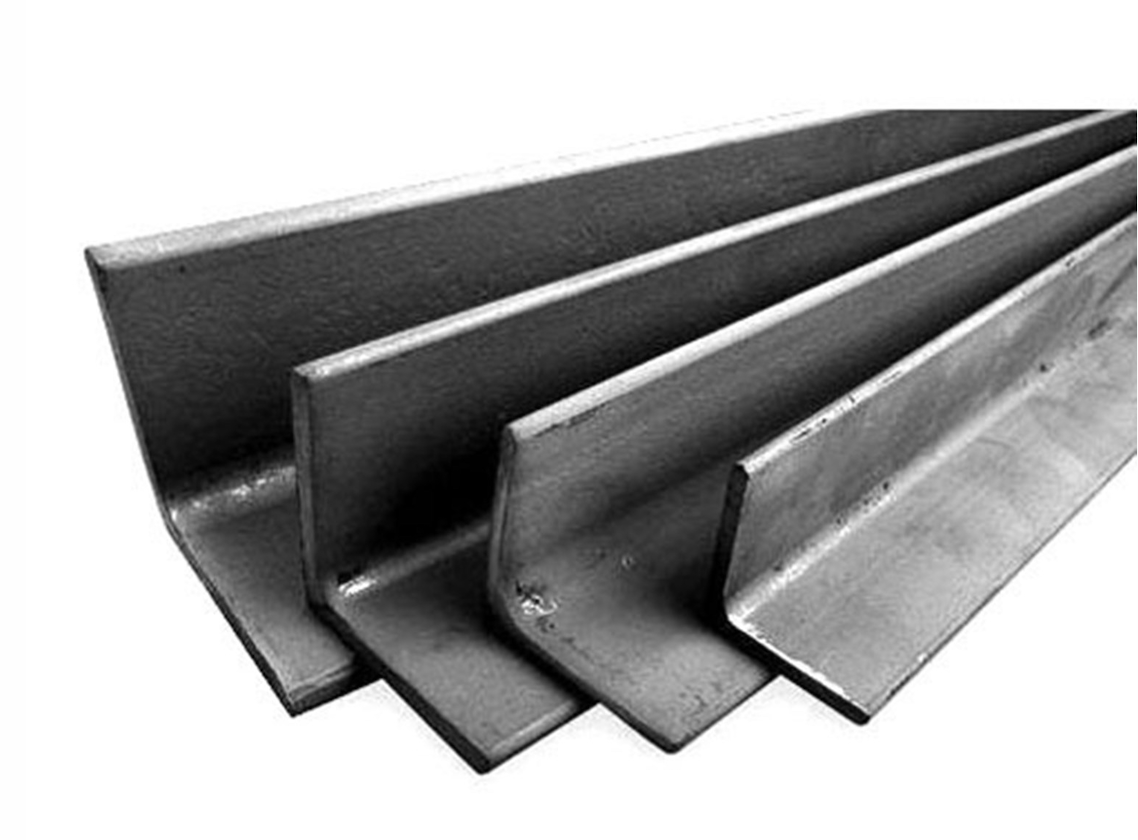
    The defining characteristic of angle bars is its incredible strength. With its L-shaped cross-section, angle bars are designed to resist bending under pressure, making it capable of supporting substantial weight. This makes it a natural choice for structural applications, from large-scale building frameworks to load-bearing supports in smaller projects. When stability and safety are non-negotiable, angle iron stands as a reliable backbone.

    Versatility Across Projects

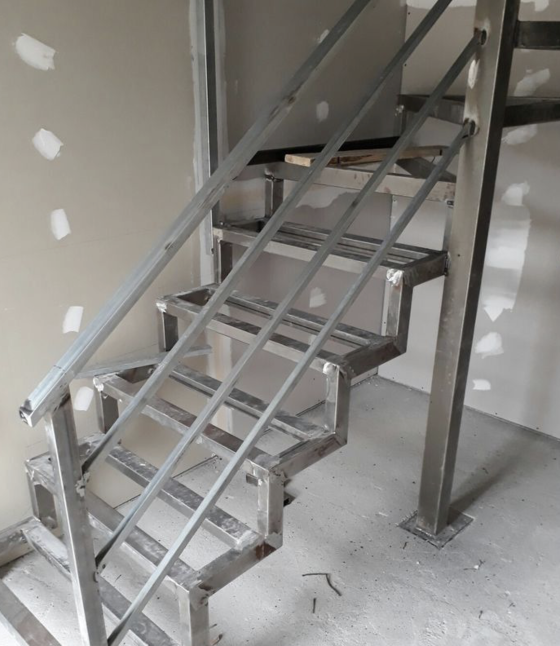
    Another advantage is versatility. Available in different sizes, thicknesses, and finishes, angle bars adapt to both heavy-duty construction projects and smaller, creative builds. Architects use it to frame staircases and bridges, while DIY enthusiasts turn it into tables, racks, and garden structures. Whether it’s skyscrapers or backyard furniture, angle iron offers a balance of strength and flexibility that few materials can match.
    Ease of Use for Custom Solutions

    Unlike materials that require specialized tools or expertise, angle bars are refreshingly easy to work with. It can be cut with basic tools, drilled for bolts, or welded for permanent fixtures. This makes it simple to customize, ensuring that the material fits your exact design or structural needs. For contractors, this means faster project completion. For DIY builders, it means endless possibilities without excessive hassle.

    Durability Indoors and Out

    Finally, angle bars deliver exceptional durability. Naturally resilient and even more reliable when coated or painted, it resists rust and corrosion—critical for projects exposed to the elements. This makes it equally suitable for indoor installations and outdoor frameworks. With proper care, angle iron structures can last for decades, offering unmatched value for money.


    In SHORT: If you need a material that combines strength, versatility, ease of use, and long-term durability, angle bars should be at the top of your list. From construction sites to creative DIY spaces, it’s the dependable steel product that proves you don’t need to compromise between power and practicality. And remember to buy quality, buy certified!

  • When it comes to building projects, many developers search for affordable construction materials Philippines but risk sacrificing safety and quality. The smarter way is to apply proven construction cost-saving tips such as value engineering, optimized design, and working only with a trusted Philippines’ steel supplier. Using certified steel ensures durability, resistance to corrosion, and compliance with local building codes. These choices may seem slightly higher upfront, but they deliver long-term savings by preventing structural damage and costly repairs.

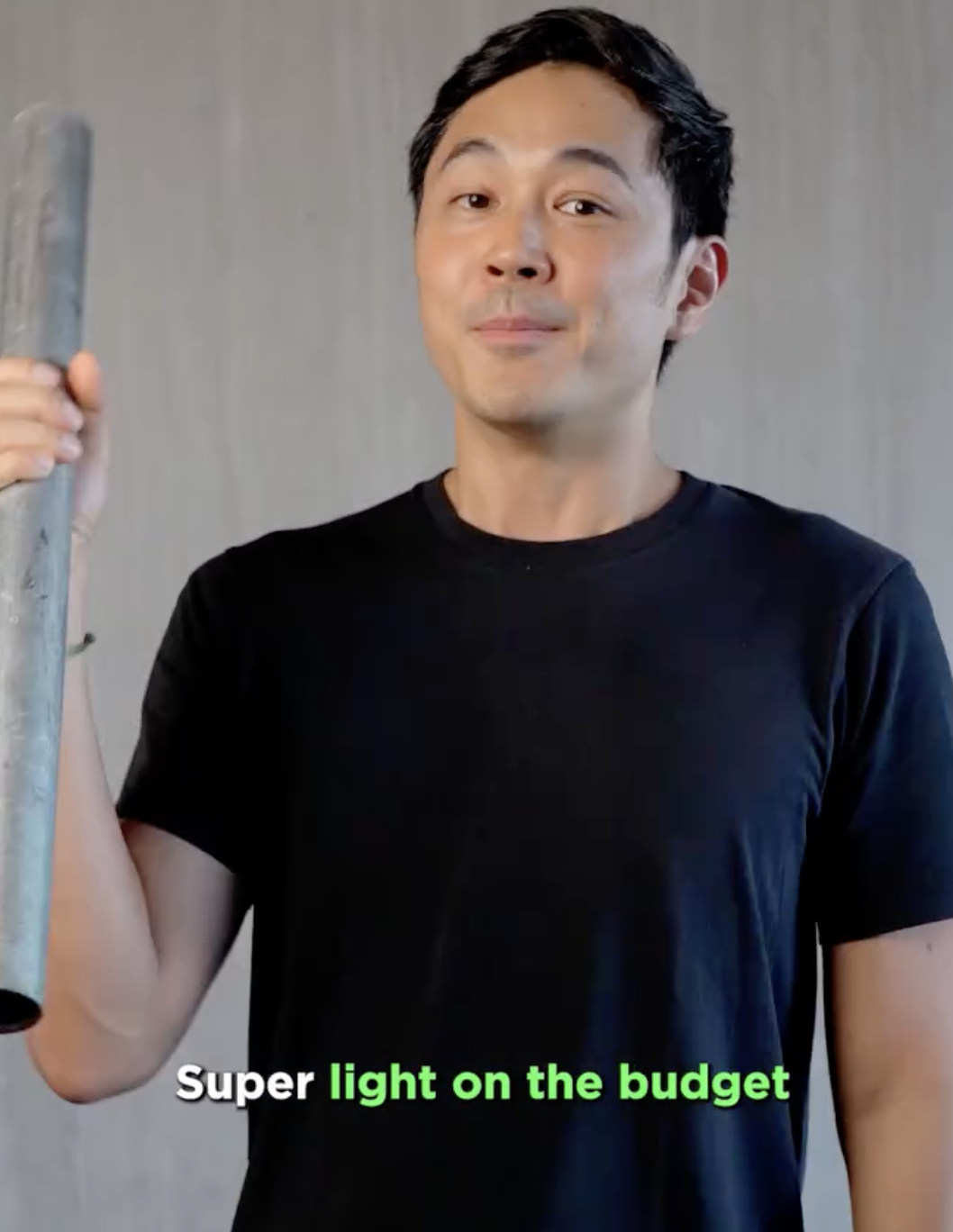
    A well-known advocate of this principle is Slater Young, who often shares practical construction advice for Filipinos. He emphasizes the importance of durable materials, efficient systems, and the use of pre-engineered steel structures to reduce waste and speed up construction timelines. For homeowners, contractors, and architects seeking Philippines construction cost-saving tips, his perspective is both realistic and encouraging.

    You can watch him explain it here in Regan Industrial’s Facebook page: Slater Young on cost-saving in construction.

    The real lesson is this: cutting construction costs does not mean cutting corners. Instead, it means being smart with material selection, choosing reliable steel suppliers in the Philippines, and focusing on designs that balance strength with efficiency. Following Slater Young construction advice proves that high-quality steel, innovative design, and careful planning are the best ways to achieve affordable yet durable results. Cheap shortcuts might save money today, but certified steel and thoughtful planning guarantee a structure that lasts for decades.

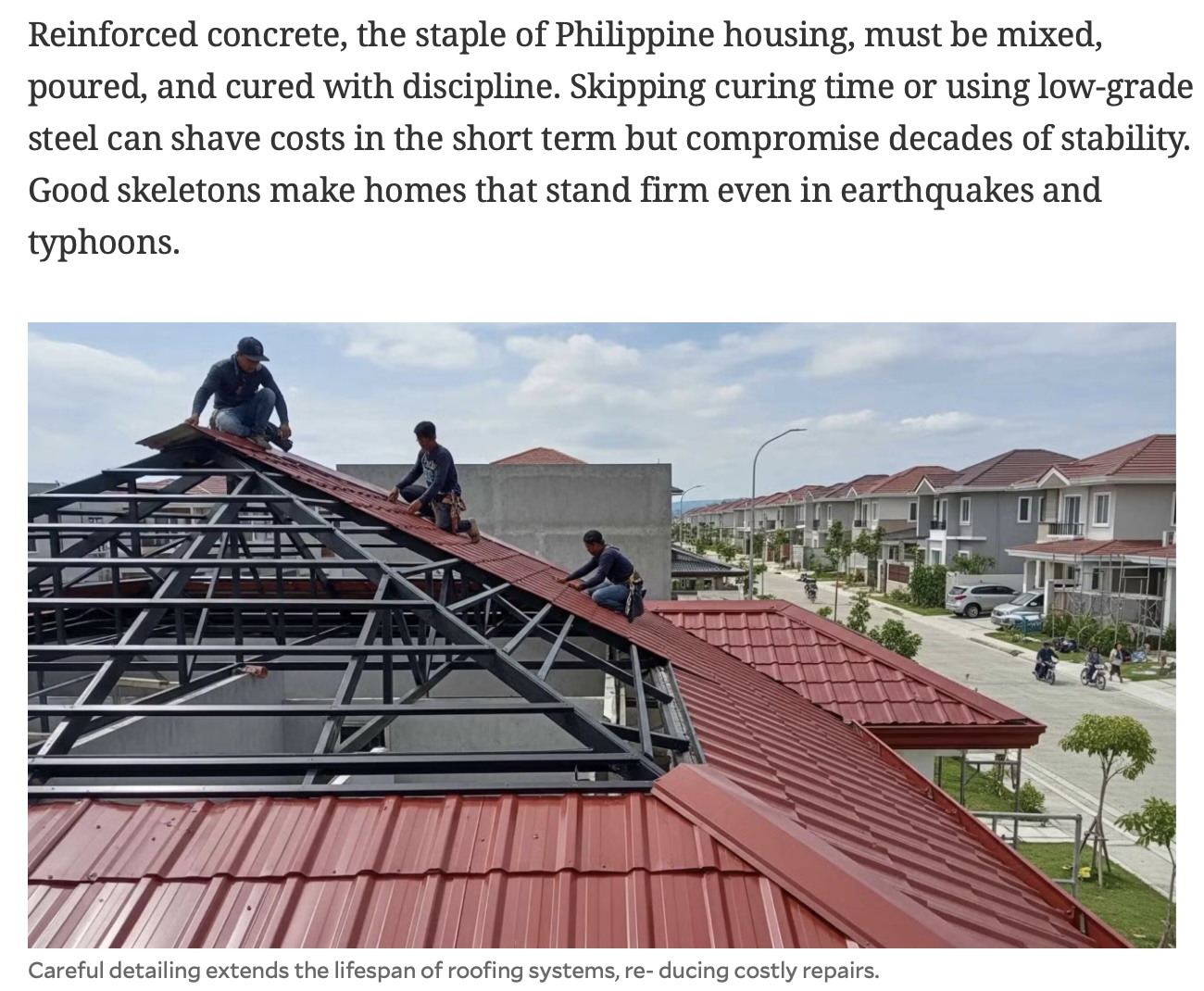
  • Architect John Ian Lee Fulgar writes in the Philippine Daily Inquirer about the essentials of building a lasting home. From getting a proper geotechnical team to determine the type of foundation and footing to the structural skeleton and roof, homes can withstand our earthquake and typhoon prone islands.

    He warns that although finishes is what we see and what we like to spend on, “strength and integrity must be built from day one.” Don’t compromise with substandard steel not certified by DTI Bureau of Products and Standards. Build Right – Build to Last!

    Picture from Philippine Daily Inquirer post. See full article here.

    21st Century Steel Mill, Inc. is one of Top 2,000 companies in the Philippines and has been providing quality steel products to the nation since 1994.

  • If you work in construction in the Philippines, you already know the problem: substandard steel is everywhere. It’s cheap, it’s tempting, and it’s a disaster waiting to happen. The market is flooded with smuggled goods and fly-by-night suppliers who cut corners, selling products that simply do not meet the required strength and safety standards.

    And the consequences? Cracked beams. Collapsed roofs. Projects that fail long before their time. Worst of all—lives at risk.

    This is why standard certified steel is no longer optional. It’s essential.

    The Reality: A Market Full of Risks

    The sad truth is that the Philippine construction industry is under pressure. Everyone wants to save costs, but when buyers choose cheaper, uncertified steel, they are playing a dangerous game.

    Uncertified steel often has:

    • Inconsistent dimensions – leading to poor fit and weak joints.
    • Lower tensile strength – meaning it bends or breaks under loads it was supposed to handle.
    • No traceability – so if something fails, there’s no accountability.

    Contractors who use it may finish a project faster and cheaper, but what they save upfront can cost them tenfold in repairs, liability, or legal disputes.

    Why Standard Certified Steel Matters

    Using certified steel is not just about compliance—it’s about trust. Every bar you buy that meets PNS/ASTM or ISO standards comes with a guarantee that:

    • It has been tested and verified for strength, ductility, and durability.
    • It will perform as expected under load, heat, and stress.
    • It is traceable back to its manufacturer, ensuring accountability.

    In a world where one collapsed structure can make headlines and destroy reputations, your brand’s integrity depends on using certified materials.

    Educating the Market: Your Responsibility

    As a supplier, contractor, or project owner, you’re not just buying steel—you’re building trust with your clients and protecting lives. It’s time to educate buyers, architects, and engineers about the true cost of substandard steel:

    • Safety Risks – The risk of collapse is real and potentially fatal.
    • Hidden Costs – Poor-quality steel can mean costly retrofits and repairs.
    • Legal & Reputational Damage – Cutting corners today can end careers tomorrow.

    Contractors who insist on certified steel are positioning themselves as professionals who care about quality and safety, not just profit.

    A Call to Action for the Industry

    We cannot stop smuggling overnight, but we can fight back by creating demand for certified steel and refusing to compromise on safety. Partner with associations, educate your buyers, and proudly market your products as genuinely certified.

    In a time when cheap and fake goods are everywhere, standing by certified steel is not just good business—it’s a moral responsibility.

    Because at the end of the day, steel is the backbone of every structure. And when the backbone is weak, the whole body falls.

  • According to the World Steel Association, in 2021, the Philippines imported 7.2 million tons of steel from major steel producing countries such as China, India, Japan, and South Korea. In 2022, the Philippines imported steel and iron from China (2.18 billion USD), Japan (747.28 million USD), Indonesia, Russia and Vietnam (328.43 million USD).

    As the Philippines is an emerging economy with several large developments underway and steel is essential in the constructions of houses, buildings, roads, bridges, and lately of solar farms, the share of the infrastructure sector in the country’s GDP has seen a significant increase, from 3-4% five years ago to 5.5-6% in 2023.

    This trend is expected to continue as much infrastructure development is still necessary in the Philippines and with ready investments from both local and overseas partners.

    When buying, make sure you are buying quality steel with the quality mark.

  • melting steel

    According to Wikipedia, a foundry is a factory that produces metal castings. Metals are cast into shapes by melting them into a liquid, pouring the metal in a mold, and removing the mold material or casting after the metal has solidified as it cools. The most common metals processed are aluminum and cast iron. However, other metals, such as bronzebrasssteelmagnesium, and zinc, are also used to produce castings in foundries. In this process, parts of desired shapes and sizes can be formed.

    At 21st Century Steel Mill, Incorporated, we do not have a foundry but we have a furnace.  Furnaces are refractory-lined vessels that contain the material to be melted and provide the energy to melt it. Modern furnace types include electric arc furnaces (EAF), induction furnacescupolasreverberatory, and crucible furnaces. Furnace choice is dependent on the alloy system quantities produced. For ferrous materials EAFs, cupolas, and induction furnaces are commonly used. Reverberatory and crucible furnaces are common for producing aluminium, bronze, and brass castings.

    Furnace design is a complex process, and the design can be optimized based on multiple factors. Furnaces in foundries can be any size, ranging from small ones used to melt precious metals to furnaces weighing several tons, designed to melt hundreds of pounds of scrap at one time. They are designed according to the type of metals that are to be melted. Furnaces must also be designed based on the fuel being used to produce the desired temperature. For low temperature melting point alloys, such as zinc or tin, melting furnaces may reach around 500° C. Electricity, propane, or natural gas are usually used to achieve these temperatures. For high melting point alloys such as steel or nickel-based alloys, the furnace must be designed for temperatures over 1600° C.

    In short, it’s really HOT!

  • Article from Architecture & Design Australia

    Star City Events Centre by Brookfield Multiplex, ICPM and Taylor Thomson Whitting, and designed by Fitzpatrick + Partners, won the Buildings – Large Project category. Sitting atop of the existing casino, the facility comprises over 1,000 tonnes of new structural steel, and is a braced steel frame supported on eight existing columns and two new columns positioned between two post-tensioned transfer beams.

    141010_Star1

    The internal floor structure hangs from an external ring truss, which transfers back to the primary columns. Site bolting was utilised for the connection of prefabricated elements across the site, reducing onsite welding to an absolute minimum.

    “[Star City Events Centre] is an elegant solution especially difficult on an existing structure whilst it was still operational, involving a high degree of team coordination,” the jury commended.

    Teamwork was also central to the Scenic Railway Upgrade in Katoomba, NSW, which was awarded the Engineering Projects category top prize. Submitted by Jacobs SKM, the project prominently employs steelwork to upgrade the railway, listed by Guinness Book of Records as the world’s steepest.

    A 3D laser survey of existing structures allowed for accurate modelling to deal with the loose and environmentally sustainable terrain, leading to an innovative use of steel casing in micropiles for new foundation work.

    Altogether, 17,855 individual steel components, representing 205 tonnes of fabricated steelwork, were used on the project, with most components installed via helicopter.

    AGL Lakeside Pavilion at the Australian Botanic Garden in regional NSW, submitted by Hunter Galvanizing, won the Buildings – Small Project category. Made almost entirely of steel, it draws together a semi-permanent theatrical marquee and more permanent utility shed.

    141010_AGL

    The main steel was fabricated off-site entirely, and assembled with bolted connections to avoid onsite welding and maximise the speed of construction. Steel sections also featured a modular design for ease of transport to ensure fit within galvanising bath size capability.

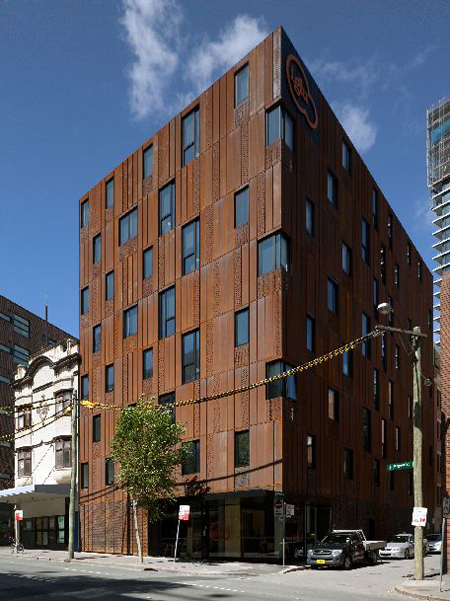
    Topping the Steel Clad Structures category was IGLU Central Student Accommodation by Bates Smart, Grindley Construction and Taylor Thomson Whitting in Sydney’ CBD. Weathering steel panels were applied to the striking façade, affixed with simple self-tapping connections to speed construction.

    IL_Iglu

    A characteristic ochre brown patina not only complements the surrounding brick facades, but also produces a natural oxide layer to slow and eventually stabilise corrosion. A perforated metal layer was added to several areas to add detail, scale and texture to the building whilst serving as a privacy screen enabling natural light to filter into the space.

    The Steel Excellence Awards are organised every two years, and seek to recognise the project teams associated with winning entries. Winners and finalists were shortlisted from the five state programs conducted earlier in the year.

  • 1. Convenience:  It’s lighter than wood and takes up half the space of lumber.

    2. Ease of installation: Steel framing is easier to handle because the studs weigh a third less than wood and can be installed at 24 inches on center. They also are attached with screws, so moving studs is simple if you make a mistake.

    3. Stability:  Wood is prone to twisting and warping; metal is not. Wood also wicks moisture, which can lead to mold growth and rot, while metal is immune. Metal does rust, so install a vapor barrier or sill gasket between the bottom plate and the concrete floor.

    4. Strength: The strength and ductility of structural cold-formed steel (CFS) framing, along with the holding power of CFS connections, make it ideal for construction in high-wind and seismic zones such as the Philippine coastal areas.

    5. Insect-Proof and Fire Retardant: Carpenter ants and termites can severely damage wood construction, but steer clear of metal. Likewise, wood burns and metal does not. A wall built with metal studs is virtually fireproof.

    6. Lower construction costs: There are some nuances to this area. Steel framing can cost three  to 15 percent more than wood studs, but metal studs offer cost advantages in other areas that can offset this price difference.  Unlike wood which might need to be replaced over time, steel does not shrink, split or warp. As a result, there are no nail pops or drywall cracks to fix after the structure is completed. Consistent quality means that scrap is drastically reduced (two percent for steel versus 20 percent for wood), which also reduces costs for hauling off and disposing of discarded material.

  • steel production capacity

    The Philippines steel production capacity is so small it registers as effectively 0% when put into the world production pie of 1.55 billion tonnes per year. (We produce 1.4 million tonnes incidentally.) The scary thing about this pie is the overproduction in China at a whopping 900 million tonnes per year. It may be a big country in need of much development but even it cannot absorb the staggering volumes coming out of its manufacturing plants.

    So what do they do?
    They “dump” their goods on various countries (since they need to continue producing to keep people employed and recoup their capital investment). This should be good news for the consumer who can buy the steel at cheap prices- unfortunately, when someone is selling at very cheap prices trying to recoup their losses, you can bet your bottom dollar they are not selling you something of quality.

    angle bar

    Don’t take our word for it, steel that has found its way to the Philippines from the overcapacity in China has proven to be: underweight, undersized and uncertified as repeatedly reported by the Philippine Product Safety and Quality Foundation Inc. (PPSQF). Now steel, unless it is used for decorative purposes, is not something you can have a “bahala na” attitude with. Since it is a material that is meant to carry a load, using undersized or underweight materials means putting your life at risk. So make sure, before you make that purchase, that what you are putting into your building is safe for everyone.

    Before you buy: check out the BSP Standards Gabay sa pagbili on steel bars.

  • On the road between Tacloban City and Babatngon sits a beautiful farm by Rafael. Aside from the incredible landscaping inside and the good food to be had, we notice the attention to detail was impeccable. Probably no one except interior decorators and those in the steel business would have noticed the sturdy roof structure that can withstand the harsh winds and rain of Leyte.

    If you look closely, you’ll see that the wooden roof structure is actually made up of steel trusses- c-purlins and angle bars painted to blend in aesthetically with the environment.

    STRENGTH, BEAUTY & ENVIRONMENTAL SUSTAINABILITY, who could ask for anything more?