We don’t have everything, but what we do have is top-quality. We will never shortchange you on the weight of our steel goods and the measurements will be just what they need to be to meet product and safety standards. Don’t go for the cheaper version, especially if you’re going to be using the steel for structural purposes. In our earthquake prone country, it is simply not safe and will also be more costly in the long run.
Give us a call or send us an email about your requirements, whatever they may be, and we’ll do our best to meet your needs.
Illegal importation of steel is a big worry in the Philippines not only due to loss jobs and taxes but also to the very safety of our fellow Filipinos.
According to the Bureau of Customs report, “upon conducting 100% examination, the container vans were found to contain angle bars with width of less than 80mm. The shipment is subject to payment of Special Safeguard duty.”
Customs Commissioner Angelito Alvarez, who led the on-the-spot inspection of the shipments at the Port of Manila Warehouse 2, immediately ordered the seizure of said illegal shipments.
In Feb 2009, Manila Standard reported that 7 steel plants close down due to imports from China. Unfortunately, we were one of them. The influx of cheaper but substandard imports from China made us uncompetitive and we had to let go of our workers.
As reported in the paper, Henry Leungson, vice president of the Steel Angles, Shapes and Section Manufacturers Association of the Philippines Inc., said only two companies: Lunar Steel Corp. and Cathay Metal Corp. – operated their mills in 2008, and even then at below their capacity levels.
Leungson also mentioned that the capacity utilization rate among the nine registered local manufacturers of steel angle bars dropped to just 10 percent in the past three years, because of the entry of imported products from China that do not meet local standards.
Such unfair competition posed by imported products, not because they are cheaper, but because they are inferior (weigh less, shorter, not up to standard, etc.) and therefore cost less, resulted in hundreds of jobs lost and this redounded to other sectors.
The picture changed when standards were finally imposed by the government, Philippine National Standards 49 (PNS 49) as formulated by the Bureau of Product Standards (BPS). And there was a clear reversal in importation establishing that the goods being imported were cheaper but were undersized or underweight.
It’s now 2010 and we’re running in full capacity again after the government started its crack down on illegal goods. But we can’t rely on them to police the industry. We need consumers to also be aware of what they’re buying.
So the next time you buy something because it’s cheaper- make sure it actually is. When it’s substandard and costs less, it’s not cheaper because you’re not getting the same product. What’s worse is standards are there for our protection- and ignoring them altogether puts lives in danger. You don’t have to buy from us. We’re not even pushing BUY FILIPINO. We just want you to make sure you’re really getting your money’s worth and most importantly, that you stay safe.
The Philippine Daily Inquirer warned of importers claiming that their angle bars are legitimate when in fact they are underweight, undersized and uncertified.
Ma. Victoria Padilla, executive director of the Philippine Product Safety and Quality Foundation Inc. (PPSQF), and Ramon Tan, vice president for external relations of Steel Angles, Shapes and Sections Manufacturers of the Philippines, Inc., yesterday warned against buying angle bars from unscrupulous importers.
They said that some suppliers would show bogus papers to retailers claiming that their products already secured an import commodity clearance.
“This clearance is required for the importing of mandatory products which can affect life, property and safety, such as steel angle bars.“
LOGO MARKINGS
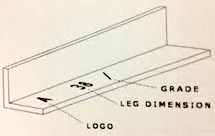
Consumers should make sure that the angle bars have embossed logo markings of manufacturers accredited by the Department of Trade and Industry – Bureau of Products Standards (DTI-BPS). They indicate leg length dimension, and a slash sign signifying the grade of the steel angle bar.
Padilla also said that it is “possible the raw materials used for these products are not billets but just wire rods, which are used to make nails and pose a great danger to those using them for billboards or roofing.“
Consumers who doubt the marks on the steel bar or the manufacturer’s logo can call the DTI-BPS at (02) 7513139 to check on their authenticity.
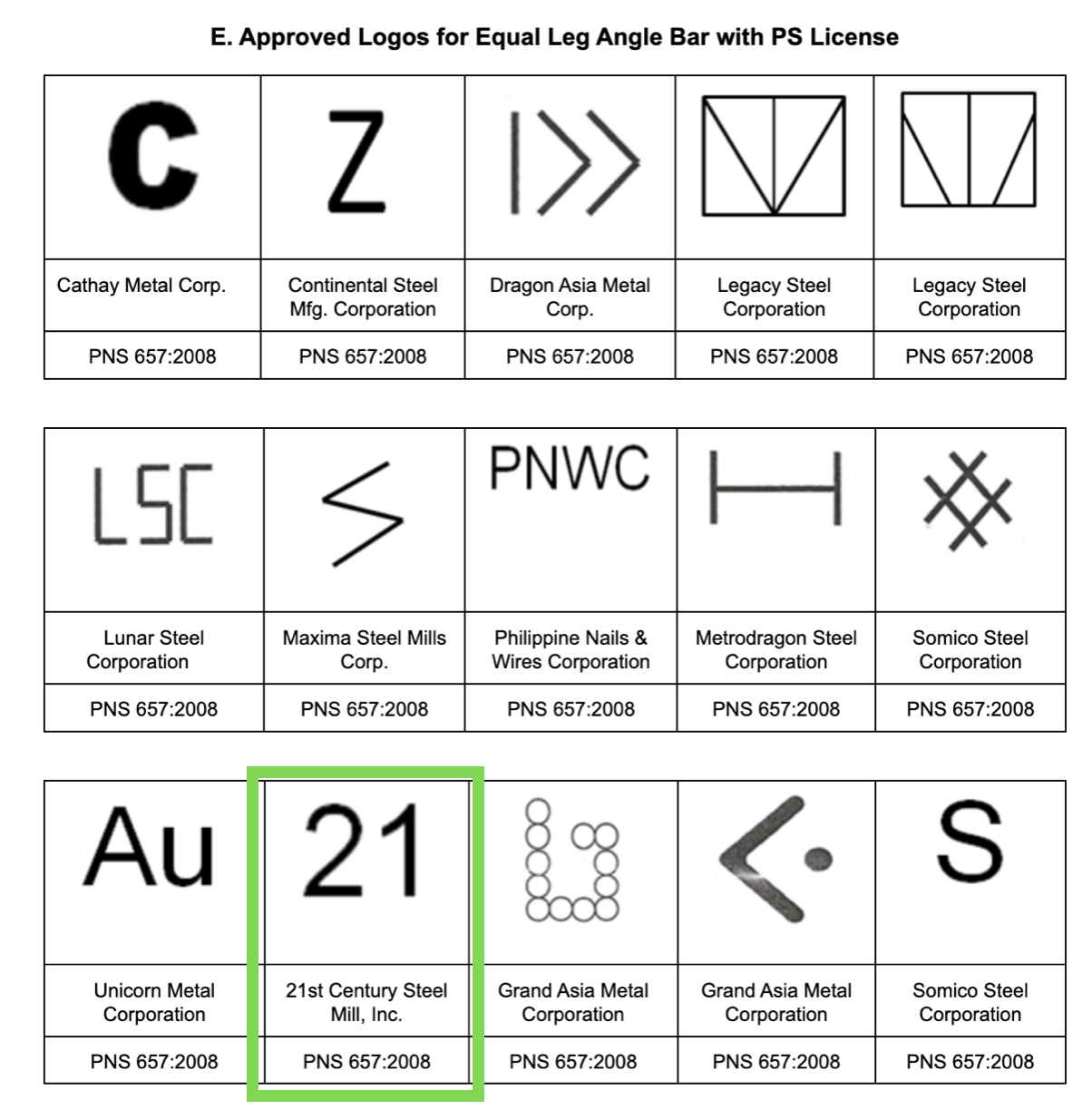
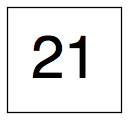
21st Century Steel Mill, Inc. is certified by DTI-BPS and uses “21” as it’s official logo marking:
In this blog from someone in St Louis, we see attempts to bring steel structures inside the home as a design element instead of something to hide. The picture below shows how they have kept the stairs, ledge and ceiling beams exposed, contrasting and at the same time complementing the softness of the wood in the rest of the house.
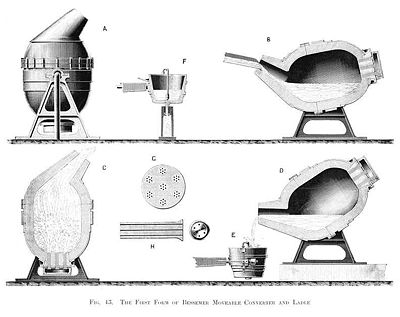
The history of the modern steel industry began in the late 1850’s when Henry Bessemer developed a converter that made steel easier to produce, paving the way for its eventual use in construction as it was too expensive to make before.
Here, from wikipedia, is the patent drawing for Bessemer’s process:
Of course we have come a long way since then. Today, 21st Century Steel Mill, Inc. which is located in Taytay, Rizal has a rolling capacity of 10,000 Metric Tons per month.
We manufacture, among other sectional steel bars:
(1) Angle
(2) Channel
(3) Flat
Approved by the Department of Trade and Industry (DTI), we use the Philippine Standard (PS) Mark of “21” for angle bars and are certified to pass all safety standards.


 21st Century Steel Mill, Inc.